🚀 هل نحن مستعدون حقًا لعيش المستقبل؟
تشير دراسة حديثة من McKinsey Global Institute إلى أن المدن الذكية قادرة على تحسين جودة الحياة بنسبة تصل إلى 30% من خلال تقنيات مثل الذكاء الاصطناعي، إنترنت الأشياء، والتحليل التنبؤي.
لكن، السؤال الأهم: 🔹 هل “التحول الذكي” يعني فقط التقنية؟
🔹 أم أنه يبدأ من الإنسان ووعيه قبل البنية التحتية؟
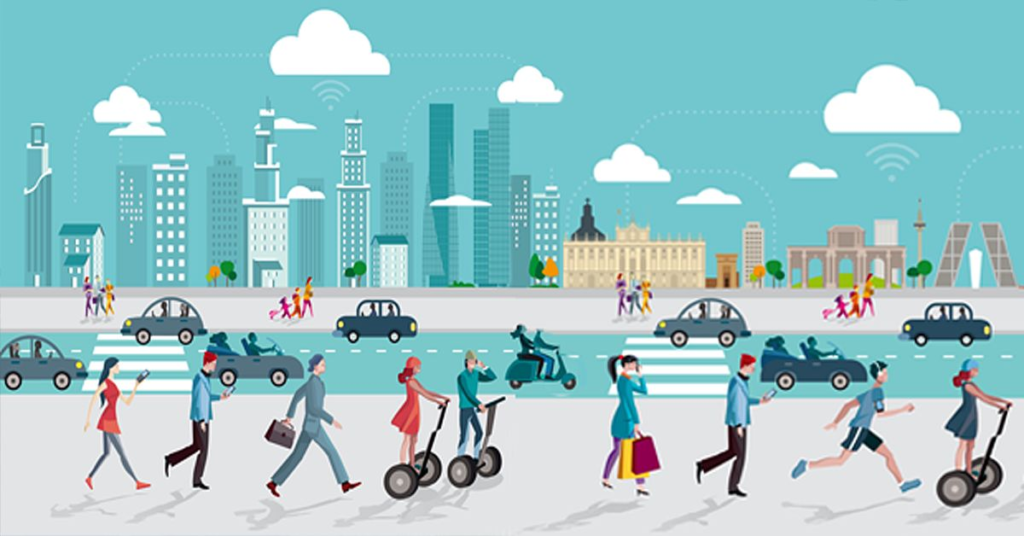
المدن الذكية ليست فقط عن المباني الذكية أو الإشارات التي تتفاعل، بل عن مجتمعات أكثر شمولًا، استدامة، ومرونة.
💡 تخيّل مدينة تتنبأ بالاكتظاظ المروري قبل أن يحدث، أو تقلل استهلاك الطاقة بناءً على سلوك السكان!
هل تعتقد أن مدينتك جاهزة لأن تكون “ذكية”؟
وما العنصر الأهم برأيك: التقنية، البنية التحتية، أم ثقافة المستخدم؟
🚀 Are we truly ready to live in the future?
A recent study by McKinsey Global Institute reveals that smart cities can improve quality of life by up to 30%, using technologies like AI, IoT, and predictive analytics.
But here’s the real question:
🔹 Is “smart transformation” only about technology?
🔹 Or does it begin with people and awareness before infrastructure?
Smart cities aren’t just about intelligent traffic lights or connected buildings — they’re about inclusive, sustainable, and resilient communities.
💡 Imagine a city that predicts traffic jams before they happen — or reduces energy use based on real human behavior!
Do you believe your city is ready to go “smart”?
And in your opinion, what’s most critical: tech, infrastructure, or user culture?