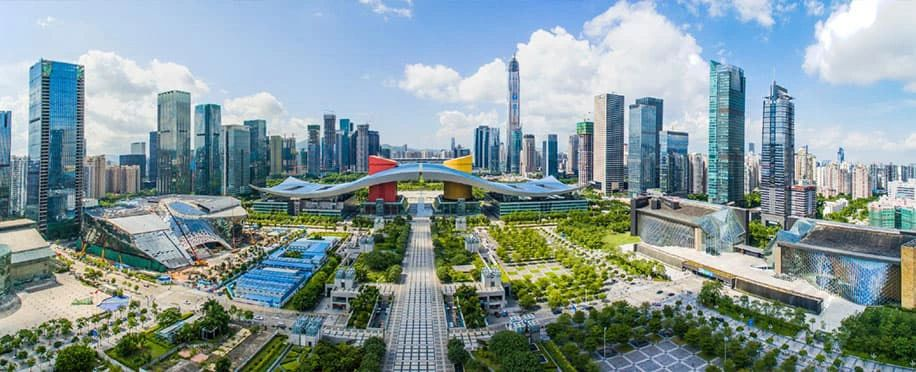
التخطيط الحضري المستدام يمثل ركيزة أساسية في بناء مدن قادرة على مواجهة التحديات البيئية والاجتماعية والاقتصادية. في المغرب، تتزايد أهمية استراتيجيات التخطيط التي تعتمد على التوازن بين التنمية المستدامة واحتياجات المواطن.
كيف يمكن للجماعات الترابية الاستفادة من التخطيط الحضري المستدام؟
الاستدامة البيئية: تحسين استخدام الموارد الطبيعية وحماية البيئة.
الجودة الحضرية: توفير بيئة معيشية صحية وآمنة للمواطنين.
التعاون بين القطاعين العام والخاص: تعزيز الشراكات لإيجاد حلول مبتكرة لتحديات المدن.
من خلال تبني سياسات تخطيط حضري مبتكرة وشاملة، يمكن للجماعات الترابية تحسين جودة الحياة في المدن، وتعزيز دور المواطن في اتخاذ القرارات التي تؤثر على محيطه.
التخطيط الحضري المستدام ليس فقط عن تطوير المساحات، بل هو عن بناء المجتمعات التي تتناغم مع البيئة، وتستجيب لاحتياجات الأفراد من خلال خدمات محلية مبتكرة.
Sustainable urban planning is a cornerstone in building cities that can address environmental, social, and economic challenges. In Morocco, the importance of planning strategies that balance sustainable development with citizens’ needs is growing.
How can local communities benefit from sustainable urban planning?
Environmental Sustainability: Improving the use of natural resources and protecting the environment.
Urban Quality: Providing a healthy and safe living environment for citizens.
Public-Private Partnerships: Enhancing collaborations to find innovative solutions for urban challenges.
By adopting innovative and inclusive urban planning policies, local communities can enhance the quality of life in cities and strengthen the role of citizens in making decisions that affect their surroundings.
Sustainable urban planning is not just about developing spaces, but about creating communities that harmonize with the environment and respond to individuals’ needs through innovative local services.